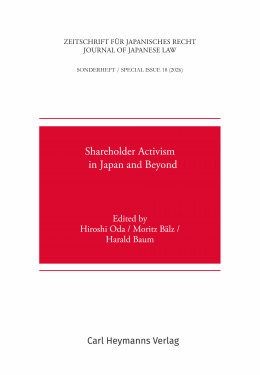
The Development of “Institutional Investors” and Activist Funds in Japan
Synopsis
In recent decades, Japan has undergone a dramatic transformation in shareholder activism, evolving from a market dominated by passive cross-shareholding structures to one of the most active arenas globally. Before the 1990s, institutional investors such as banks, insurers, and pension funds prioritized stability over profit, often supporting management regardless of performance. Regulatory reforms in the late 1980s and 1990s—such as the Investment Advisors Act and the repeal of restrictive pension rules—opened the door for professional asset managers and more active investment strategies.
The first wave of activism emerged in the early 2000s, led by Yoshiaki Murakami’s fund, which pioneered confrontational tactics. Foreign hedge funds soon followed, but regulatory pushback and the 2008 financial crisis curtailed their influence. A second wave began in the mid-2010s, fueled by corporate governance reforms under “Abenomics.” The introduction of the Stewardship Code (2014) and the Corporate Governance Code (2015) encouraged institutional investors to engage more actively with companies, while proxy advisors like ISS and Glass Lewis bolstered activist campaigns. Domestic institutions, once reluctant, increasingly exercised voting rights in line with fiduciary duties.
Today, Japan is considered the second-largest market for activism, trailing only the U.S., and a third wave is presently underway, catalyzed by the Tokyo Stock Exchange’s 2023 call for companies to improve capital efficiency and stock valuations. Activists now target both small- and large-cap firms, often presenting detailed financial and operational proposals rather than relying solely on confrontation. While skepticism persists—particularly regarding short-termist behavior—the broader trend suggests activism is reshaping corporate governance norms. With evolving regulations in Japan and potential restrictions in the U.S., Japan may soon become the world’s leading market for shareholder activism.